Tuesday, March 27, 2018

Louis Vuitton Names Virgil Abloh as Its New Men’s Wear Designer


Luxury fashion is undergoing a major shift. Logo tees, hoodies, and other streetwear are no longer separate from high fashion—in fact, they have become some of its main ingredients.

The latest signal of this evolution comes from Louis Vuitton. The namesake fashion brand of LVMH, the world’s largest luxury house, just announced the new designer of its menswear collection: Virgil Abloh. Instead of coming from a heritage pedigree, however, the founder of fashion label Off-White is know for his affiliation with streetwear and for being Kanye West’s creative director.

It’s a historic move for other reasons, too. Abloh joins a very short list of black designers to head prestigious fashion houses, including Olivier Rousteing, who is currently at Balmain, and Ozwald Boateng, who designed Givenchy menswear from 2003 to 2007.

Louis Vuitton is by far the biggest of these brands, and its choice of Abloh also reveals how the house is planning for its future.

Someone’s already vandalised David Bowie statue with ‘feed the homeless’

Someone's already vandalised David Bowie statue with 'feed the homeless'

It only opened 48 hours ago – but somebody has already vandalised the world’s first David Bowie statue. The memorial, which was unveiled to the public on Sunday afternoon, was covered in black graffiti reading: ‘RIP DB’ and ‘Feed the homeless first’.

It was erected in Aylesbury – where Bowie made his debut as Ziggy Stardust – and paid tribute to the artist who died in January 2016. The statue was created by money raised during a fundraising campaign, launched by music promoter David Stopps, as well as a number of grants. It cost more than £100,000.

Bans on Bitcoin Advertisements and Policy Change

Bitcoin is a digital peer to peer decentralized crypto-currency

Twitter has become the latest firm to ban cryptocurrency adverts on its site in the hopes of reducing fraud.

The site follows in the footsteps of both Facebook and Google , who earlier this year banned the virtual currency adverts.

In a statement, Twitter said: “We are committed to ensuring the safety of the Twitter community.


"As such, we have added a new policy for Twitter Ads relating to cryptocurrency.”
The new policy prohibits adverts for initial currency offerings (ICOs) - a method used by some startups to raise huge amounts of money.

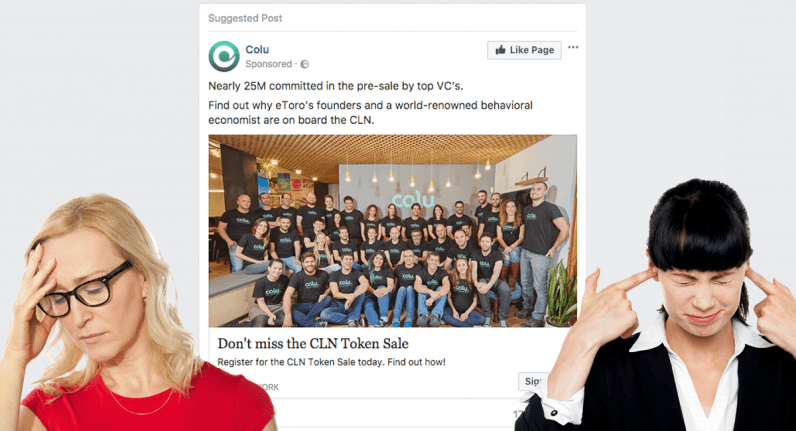
Facebook banned cryptocurrency ads but it still shows them anyhow

Fruits ripened with carbide can cause heart, kidney and liver failure

Image result for fruits ripened with carbide Image result for fruits ripened with carbide

Yes, it is, see this 2010 paper Eating artificially ripened fruits is harmful
Calcium carbide is extremely hazardous to the human body as it contains traces of arsenic and phosphorus. It is banned in many countries of the world, but it is freely used in India, Pakistan, Bangladesh, Nepal and other countries. Thus we are at risk of short-term and long-term health effects simply by eating fruits that are induced to ripen.

Image result for fruits ripened with carbide

Monday, March 26, 2018

Russia fire: Children killed in Kemerovo shopping centre blaze

Emergency vehicles outside a burning shopping centre in Kemerovo, Russia. 25 March 2018

At least 53 people have died in a fire that tore through a shopping and entertainment complex in the Siberian coal-mining city of Kemerovo.

As many as 41 children may be among the victims, officials say, and more than 10 are listed as missing.

The blaze started on an upper floor of the Winter Cherry complex while many of the victims were at the cinema.

Video posted on social media showed people jumping from windows to escape the flames on Sunday.

"According to preliminary information, the roof collapsed in two cinemas," Russia's Investigative Committee said in a statement.

The cause of the fire is not yet known and authorities have launched an investigation.

Some 660 emergency personnel were deployed in the rescue effort. Firefighters tackled the blaze for more than 17 hours.

Wednesday, March 21, 2018

“Human population is growing and the earth is running out of water.

“Human population is growing and the earth is running out of water. This means only one thing – global water scarcity is imminent.

This is according to the 2018 edition of World Water Development Report released by the United Nations on Monday.”

>>> http://j.mp/2GJHdnM

Fed up with Facebook? Here's how to protect your data


Is it time to delete your Facebook account?

That's the question many of its users are asking in light of revelations that data firm Cambridge Analytica accessed and improperly stored information from millions of users.

The hashtag #DeleteFacebook was trending on Twitter in wake of the news.

"If you're angry about what Facebook has done with our data then just #deletefacebook," wrote one user on Twitter. "Remember we aren't the customers we are the product."

While deleting Facebook seems like an obvious option, there are other things you can do to protect your information.

Here's everything you need to know about how to better control what's shared on Facebook:

Related: Facebook's data crisis deepens as questions mount

How to (mostly) stop Facebook from sharing your data

Deleting or deactivating Facebook isn't an option for everyone -- you may not want to give up staying in touch with family and friends or participating in support groups.

But you may be surprised how many apps like Airbnb or Venmo you've logged into through the social network over the years. Services make it easy to log in with Facebook rather than requiring a separate username and password.

This raises concern because users may not realize how much those third-party apps gain access to your personal data.

To do some spring cleaning, you'll want to visit Facebook's App page under the Settings menu to see how many apps you have connected to your account. You can select which services you want to remove at the top of the page or disable all of them via Apps, Website and Plugins > Edit.

However, you won't be able to log into apps like Instagram or Spotify using your Facebook account anymore. Instead, you'll need to sign up for the service directly with a unique log in.

Keep in mind apps you've already installed could still have your shared information even after disabling the feature. You'll have to contact the app individually and ask for your data to be removed. Facebook doesn't give instructions on how to best reach out the app.

Another thing you may not know: People on Facebook who can see your information can bring it with them when they use apps such as games. By selecting Settings > Apps > Apps Others Use, uncheck the boxes you don't want those apps to access, such as your birthday, hometown, and political views.

How to delete or deactive your Facebook

Another way to protect your personal data is to permanently delete your account.

Facebook has a dedicated page to walk you through the steps. But you won't be able to reactive your account or access any of the content or information you've shared, if you change your mind.

The process of wiping the associated data also takes a bit of time.

"It may take up to 90 days from the beginning of the deletion process to delete all of the things you've posted, like your photos, status updates or other data stored in backup systems. While we are deleting this information, it is inaccessible to other people using Facebook," the company says in its Help Center page.

It's unclear whether third-party apps will still have access to the data after your account has been permanently deleted.

Facebook users can also opt to deactivate accounts in case they want to access them again. The deactivation option can be found in the Settings menu under Manage Account > Edit.

A disabled profile scrubs names and photos from Facebook, but some information could still be seen by other users, such as in messages previously sent.

If you're afraid of losing content you've posted on Facebook over the years, such as photos or statuses, you can preserve it via Settings > General > Download a copy of your Facebook data.

DONATE